
A great restaurant is remembered not only for its ambience or service but also for a menu that meets customer expectations while supporting efficient operations. Many new food entrepreneurs spend months selecting interiors and kitchen equipment yet give limited attention to Menu Development during the planning stage. In reality, the menu influences nearly every aspect of a hospitality business, from kitchen design and equipment selection to staffing, inventory management, and customer experience.
Whether you are opening a restaurant, café, hotel, cloud kitchen, industrial canteen, bar, or fast-food outlet in Delhi NCR, developing the menu early can help create a business that is easier to operate and better prepared for long-term growth.
Menu Development Is More Than Choosing Dishes
A restaurant menu is a business tool, not simply a list of food items. Every dish added to the menu affects purchasing, preparation, cooking processes, storage requirements, and service time.
Effective menu development considers factors such as:
- Target customer preferences
- Cuisine type
- Kitchen capabilities
- Food preparation time
- Ingredient availability
- Portion consistency
- Pricing strategy
- Operational efficiency
- Seasonal flexibility
When these elements are planned together, businesses are better positioned to deliver a consistent dining experience.
Why the Menu Should Come Before Kitchen Design
One of the most common planning mistakes is designing a commercial kitchen before finalizing the menu. Since different cuisines require different equipment and preparation methods, the menu should guide the overall kitchen layout.
For example:
- A bakery requires baking stations, proofing areas, and display counters.
- A café needs dedicated coffee preparation equipment and dessert storage.
- A quick-service restaurant benefits from streamlined cooking and assembly lines.
- A multi-cuisine restaurant may require separate preparation zones for different cooking styles.
- A bar requires beverage preparation stations and cold storage.
Planning the menu first helps ensure that the kitchen is designed around actual operational needs.
Benefits of Structured Menu Development
A carefully developed menu supports both customer satisfaction and business efficiency.
Improved Kitchen Workflow
Limiting unnecessary complexity allows kitchen teams to prepare food more efficiently while maintaining consistency.
Better Inventory Management
Menus built around shared ingredients can reduce waste and simplify purchasing.
Consistent Food Quality
Standardized recipes and preparation methods help deliver the same quality across every order.
Faster Service
Menus designed with operational efficiency in mind often reduce preparation times during busy periods.
Easier Staff Training
Clear recipes and logical preparation processes make onboarding and training more manageable.
Common Menu Development Mistakes
New hospitality businesses sometimes create menus based on trends rather than operational practicality.
Some common mistakes include:
- Offering too many dishes initially
- Selecting recipes that require specialized equipment unnecessarily
- Using ingredients with limited shelf life
- Ignoring preparation time
- Overlapping menu categories
- Creating complex workflows for simple dishes
- Pricing without understanding food costs
These challenges can increase operational pressure and affect profitability over time.
Questions to Ask During Menu Planning
Before finalizing the menu, restaurant owners should consider:
- Can the kitchen produce every dish efficiently?
- Are ingredients consistently available?
- Does the menu match customer expectations?
- Can staff prepare each item confidently?
- Are preparation times practical during peak hours?
- Can inventory be managed effectively?
- Will the menu allow future expansion?
Answering these questions helps create a menu that supports both operations and customer satisfaction.
Menu Development for Different Hospitality Businesses
Every food business has different priorities.
Restaurants
Require balanced menus that offer variety while maintaining operational efficiency.
Cafés
Focus on beverages, bakery items, snacks, and light meals that complement customer preferences.
Hotels
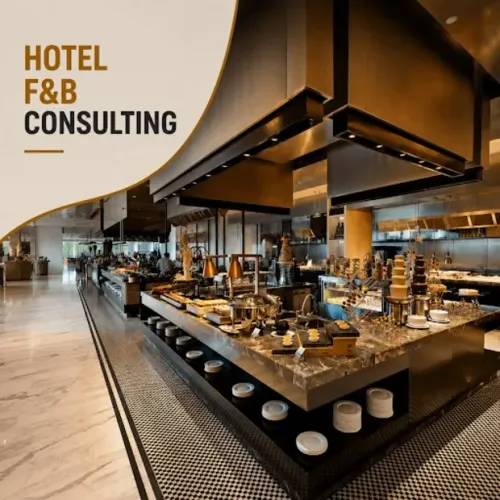
Need menus that support multiple dining outlets, room service, and banquet operations.
Industrial Canteens
Emphasize nutrition, consistency, production capacity, and efficient meal service.
Hospitals
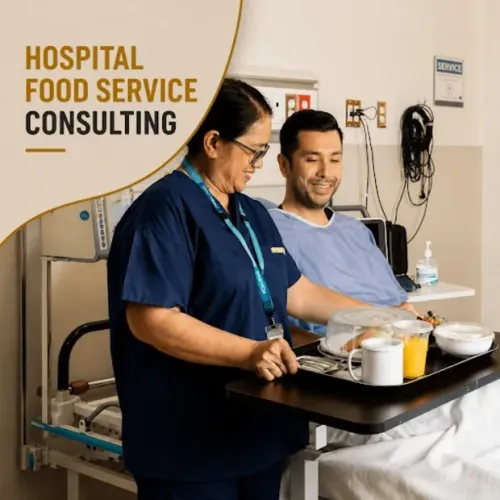
Require carefully planned menus that align with dietary requirements and hygiene standards.
Bars
Need food offerings that complement beverage service while maintaining efficient kitchen operations.
A tailored approach helps each business develop a menu suited to its audience and operational goals.
Why Menu Development Matters in Delhi NCR
The hospitality market across Delhi NCR serves a diverse customer base with varying tastes, dining habits, and expectations. Businesses often benefit from menus that balance innovation with operational practicality rather than attempting to satisfy every possible preference.
Understanding local dining trends while maintaining efficient production can help hospitality businesses create menus that remain sustainable over time.
Building a Strong Foundation for Hospitality Success
Menu development is not a task to complete after construction—it is a strategic planning activity that influences the entire business. A well-designed menu supports kitchen efficiency, staff productivity, inventory control, and customer satisfaction.
Vinship Restaurant Consultant works with restaurants, cafés, hotels, industrial canteens, hospitals, bars, and other hospitality businesses across Delhi NCR by integrating menu development into the overall planning process. By aligning the menu with kitchen design, operational workflow, and business objectives, the company helps food businesses establish a practical foundation for efficient and sustainable operations.
Keywords