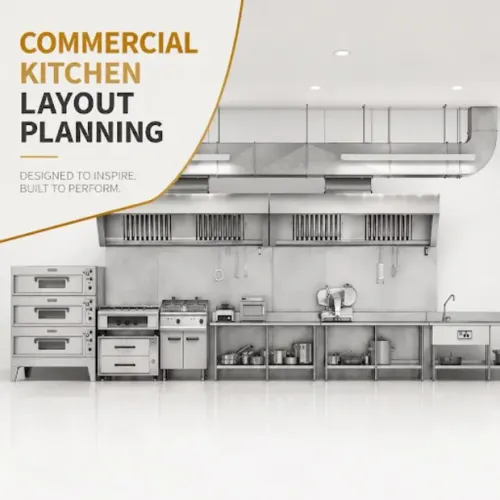
Foodservice facilities often involve multiple spaces working together. Kitchens, stores, receiving areas, staff facilities, service counters, washing sections, dining areas, waste-handling points, and technical services all compete for available space.
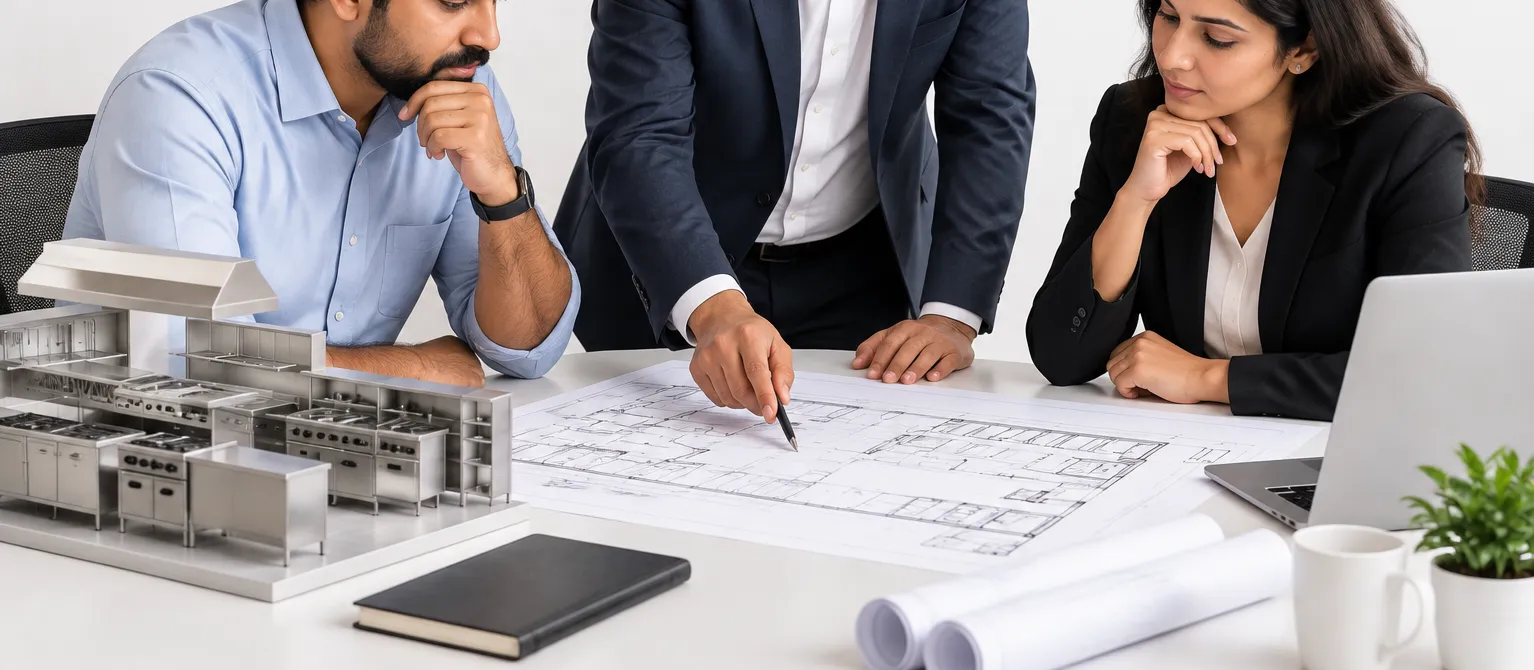
A facility planner helps coordinate these requirements before construction progresses too far.
For restaurants, hotels, healthcare facilities, educational institutions, corporate campuses, and other foodservice projects in Delhi NCR, this planning can prevent operational compromises that become expensive to correct later.
Common Problems Caused by Weak Facility Planning
Typical issues include:
- Deliveries moving through customer areas
- Insufficient dry storage
- Poor access to cold rooms
- Kitchen traffic crossing washing routes
- Inadequate service passages
- Difficult waste movement
- Equipment blocking circulation
- Limited maintenance access
- Incorrect utility locations
These problems often arise because each room was considered individually instead of as part of a connected operating system.
Space Allocation Should Follow Operations
Foodservice requirements vary significantly.
A restaurant receiving fresh supplies every day may need a different storage strategy from an institutional facility purchasing in larger quantities.
A banquet kitchen experiences different production peaks from an à la carte restaurant.
The planner therefore needs information about production volume, purchasing frequency, staffing, service model, menu, and customer capacity.
Front-of-House and Back-of-House Need Balance
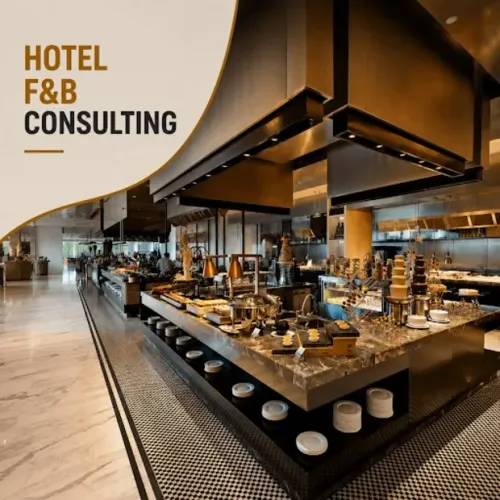
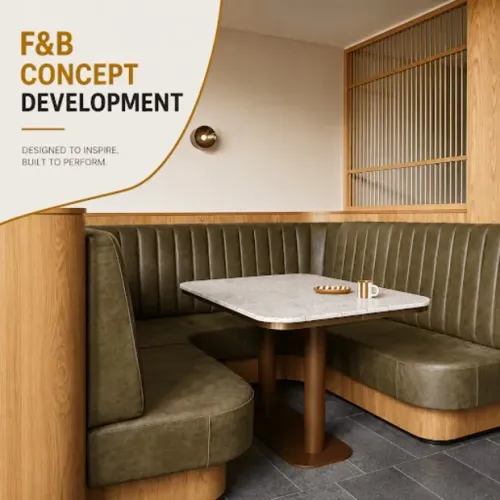
Restaurant owners naturally pay close attention to customer-facing space because dining capacity affects revenue.
However, reducing back-of-house areas excessively can create operational difficulties.
Insufficient preparation space may slow the kitchen. Limited storage can lead to poor stock organisation. Narrow service pathways can affect table service.
Institutional Facilities Add More Complexity
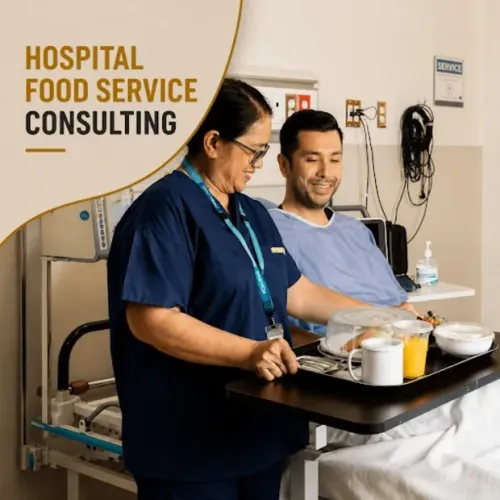
Hospitals, schools, universities, and corporate facilities can have specific food distribution schedules and high meal volumes.
Service lifts, corridors, holding areas, trolley movement, collection points, and washing processes may all influence overall efficiency.
Vinship Restaurant Consultant works with hospitality and institutional foodservice facilities across Delhi NCR, supporting planning alongside kitchen and project-development requirements.
A well-planned facility provides operations with a more practical physical environment in which people, food, supplies, equipment, customers, and waste can move without unnecessary conflict.
Keywords