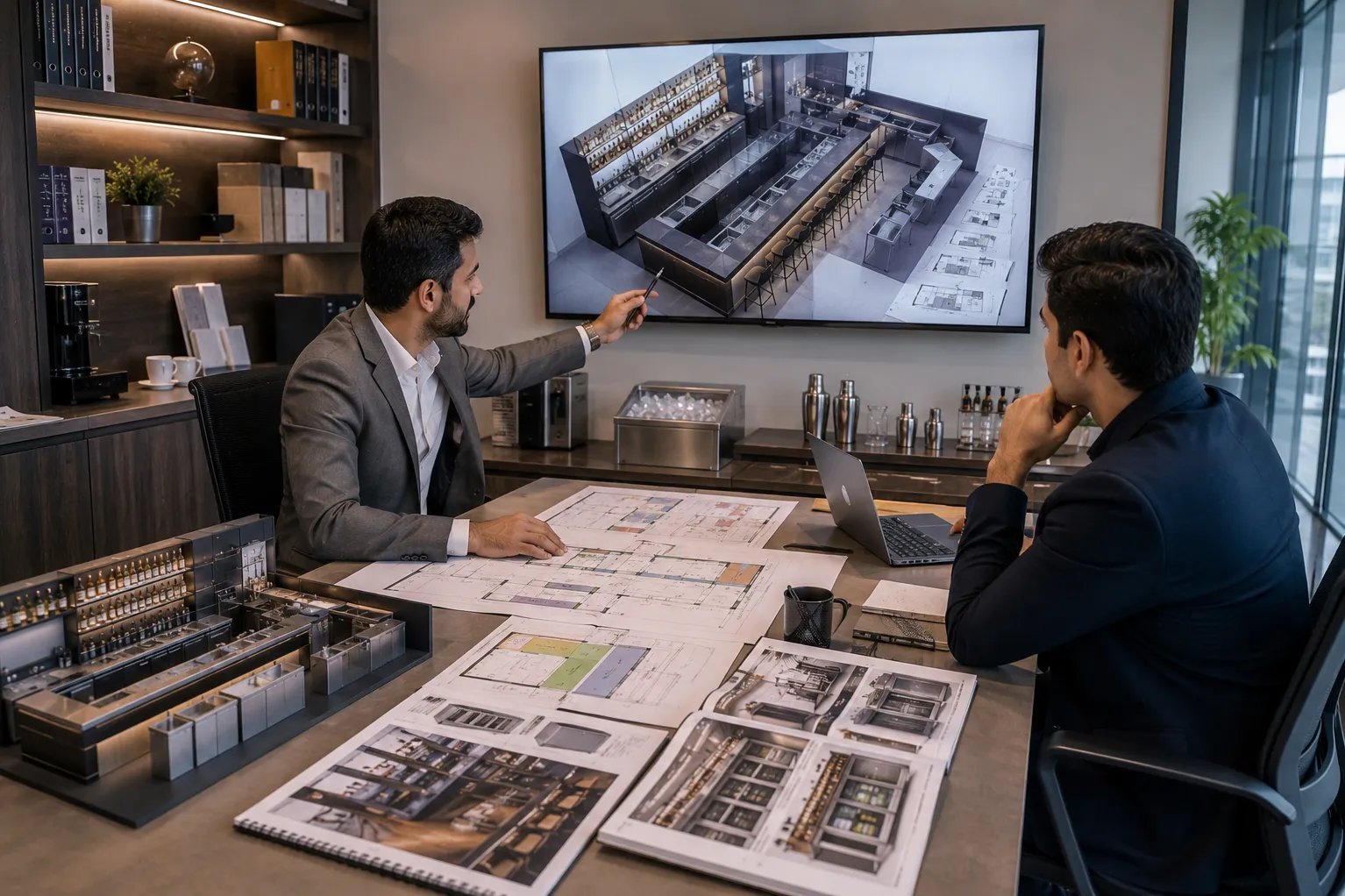
Launching a bar is about much more than creating an attractive ambience or serving quality beverages. Behind every efficient bar operation is careful planning that balances customer experience, workflow, inventory management, and service efficiency. Whether the bar is part of a standalone establishment, a restaurant, a hotel, or a hospitality venue, working with an experienced Bar Consultant can help business owners make informed decisions before operations begin.
In Delhi NCR, where the hospitality industry continues to grow and customer expectations evolve, professional planning allows bar owners to develop spaces that are practical, scalable, and designed for smooth day-to-day operations.
What Does a Bar Consultant Do?
A bar consultant provides professional guidance during the planning, design, and development of a bar. Their role extends beyond selecting counters or recommending beverages. They evaluate how every element of the operation works together to create an efficient service environment.
A bar consultant may assist with:
- Bar layout planning
- Beverage station design
- Equipment recommendations
- Storage planning
- Service workflow
- Back bar organization
- Inventory management strategies
- Menu planning support
- Staff movement optimization
- Operational planning
The objective is to create a bar that delivers consistent service while supporting efficient operations.
Why Professional Bar Planning Matters
Many hospitality businesses invest heavily in interiors but underestimate the importance of operational planning. A visually appealing bar may still face service delays if the workspace has not been designed efficiently.
Proper planning helps improve:
- Beverage preparation speed
- Staff coordination
- Customer service efficiency
- Product accessibility
- Inventory organization
- Daily workflow
- Equipment utilization
An organized bar enables employees to work comfortably, particularly during peak business hours.
Characteristics of a Well-Planned Bar
An efficient bar is designed around movement and functionality rather than appearance alone.
Important planning considerations include:
Logical Workstations
Frequently used equipment, ingredients, and glassware should be positioned to reduce unnecessary movement.
Efficient Storage
Adequate storage allows beverages, garnishes, mixers, and accessories to remain organized and easily accessible.
Customer Interaction
The layout should support smooth communication between staff and guests without disrupting service.
Utility Planning
Electrical connections, refrigeration, plumbing, and lighting should be integrated into the overall design.
Safety and Accessibility
The workspace should provide sufficient room for staff to move comfortably while maintaining organized operations.
Common Planning Mistakes
Without professional guidance, businesses may encounter challenges that affect service quality and operational efficiency.
Some common mistakes include:
- Limited preparation space
- Poor refrigeration placement
- Inadequate storage
- Congested workstations
- Inefficient service routes
- Improper equipment selection
- Overcrowded back bar areas
- Difficulty managing inventory
Correcting these issues after opening often requires additional investment and operational downtime.
Questions to Ask Before Hiring a Bar Consultant
Selecting the right consultant involves understanding their planning approach rather than simply reviewing previous projects.
Business owners may consider asking:
- How do you evaluate operational workflow?
- Will the layout be customized for my concept?
- How do you plan storage requirements?
- Can the design support future expansion?
- How do you improve service efficiency?
- How are equipment recommendations determined?
- What factors influence staff productivity?
These discussions help determine whether the consultant's approach aligns with the business's long-term objectives.
Why Planning Benefits Different Hospitality Businesses
Bar planning is not limited to standalone bars. Many hospitality businesses benefit from specialized consulting.
These include:
- Restaurants with beverage service
- Hotels
- Rooftop lounges
- Clubs
- Fine dining establishments
- Resorts
- Event venues
- Hospitality chains
Each venue has different operational priorities that require customized planning rather than standardized layouts.
Why Local Knowledge Matters in Delhi NCR
Hospitality businesses across Delhi NCR operate in diverse commercial environments, including shopping complexes, hotels, high streets, corporate districts, and entertainment hubs. Customer preferences, available space, and operational requirements can vary significantly between locations.
A consultant familiar with regional hospitality trends can recommend planning solutions that align with local business needs while making effective use of available space.
Building a Bar That Supports Long-Term Operations
A successful bar combines customer experience with efficient behind-the-scenes operations. Thoughtful planning helps improve workflow, supports staff productivity, and creates a workspace that adapts as the business grows.
Vinship Restaurant Consultant works with restaurants, hotels, bars, cafés, and hospitality businesses across Delhi NCR by providing structured bar consulting services tailored to operational requirements. From layout planning and storage organization to workflow optimization and facility integration, the company helps businesses establish bar operations that are functional, efficient, and prepared for long-term success.
Keywords