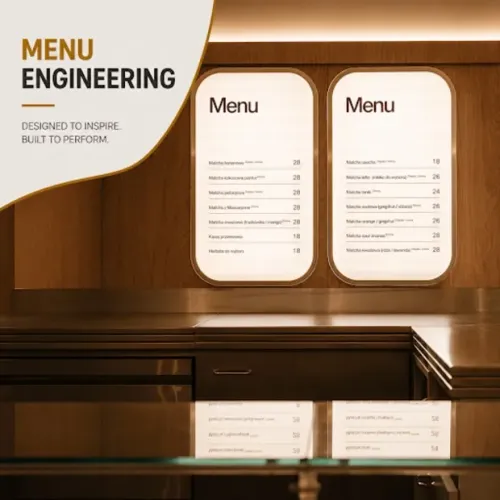

A restaurant's menu is much more than a list of dishes. It represents the brand, influences purchasing decisions, and directly affects operational efficiency. Thoughtful Menu Development helps restaurants create a balanced offering that satisfies customers while supporting profitability.
Many food businesses introduce large menus believing that more choices attract more customers. In reality, carefully planned menus often perform better because they simplify operations and strengthen the restaurant's identity.
Across Delhi NCR, restaurants increasingly recognize menu planning as an essential part of long-term business success.
What Makes Menu Development Important?
A well-developed menu balances customer expectations with kitchen capabilities.
It considers:
- Customer preferences
- Food preparation time
- Ingredient availability
- Operational efficiency
- Pricing strategy
- Brand positioning
When these elements work together, restaurants are better positioned to deliver consistent dining experiences.
Start with Your Target Audience
Before adding dishes, restaurant owners should understand who they intend to serve.
Questions worth considering include:
- Are customers families, professionals, or students?
- Is the restaurant focused on casual dining or premium experiences?
- What cuisines are most relevant to local demand?
- Are vegetarian, vegan, or healthy options expected?
Customer understanding shapes every menu decision.
Keep Operations Practical
An extensive menu may appear attractive but often increases kitchen complexity.
Restaurants benefit from selecting dishes that:
- Share common ingredients
- Fit available equipment
- Can be prepared consistently
- Reduce food waste
- Support efficient inventory management
Practicality is just as important as creativity.
Balance Variety with Simplicity
Customers appreciate choice, but excessive options can make ordering more difficult.
A balanced menu usually includes:
- Signature dishes
- Customer favorites
- Seasonal specials
- Popular beverages
- High-margin selections
This approach creates variety without overwhelming guests.
Review Menu Performance Regularly
Customer preferences change over time.
Restaurants should periodically evaluate:
- Best-selling dishes
- Slow-moving items
- Customer feedback
- Food costs
- Ingredient availability
- Seasonal demand
Regular updates help menus remain relevant and competitive.
Design Also Influences Decisions
Menu presentation affects purchasing behavior.
Clear organization, readable typography, logical categories, and concise descriptions make menus easier to navigate.
Digital menus have also become increasingly valuable for updating prices, introducing seasonal items, and improving customer convenience.
Menu Planning Supports Brand Identity
Whether operating a café, fine-dining restaurant, cloud kitchen, or hotel, the menu should reflect the overall business concept.
Consistency between food offerings, pricing, service style, and customer expectations strengthens the restaurant's brand image.
Hospitality specialists, including Vinship Restaurant Consultant, often work with food businesses in Delhi NCR to align menu planning with operational capabilities, target audiences, and long-term business objectives.
A thoughtfully developed menu is not about offering the largest selection. It is about delivering the right choices that customers enjoy while enabling efficient restaurant operations.
Keywords