An attractive restaurant begins long before customers enter the dining area. Behind every successful food business is a workspace that enables chefs and kitchen staff to perform efficiently. An experienced kitchen designer focuses on creating layouts that improve productivity while supporting hygiene and safety.
Whether opening a café, cloud kitchen, hotel restaurant, or catering unit, thoughtful kitchen design influences every stage of food preparation.
Hospitality businesses throughout Delhi NCR increasingly recognize that good design contributes directly to smoother daily operations.
Beyond Appearance
Kitchen design is often associated with aesthetics, but functionality is far more important in commercial food service.
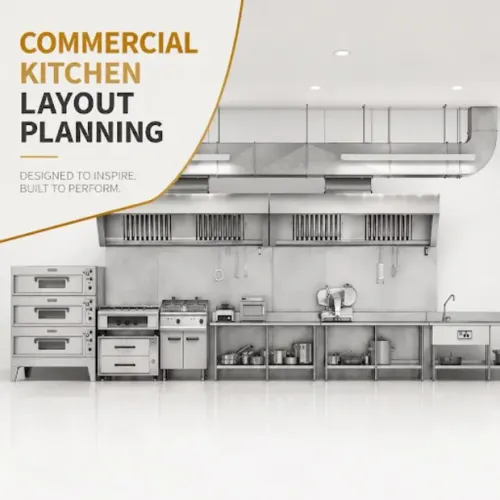
Professional designers evaluate:
- Staff movement
- Equipment positioning
- Preparation workflows
- Storage accessibility
- Cleaning efficiency
- Utility planning
These elements help reduce unnecessary movement while improving overall productivity.
Designing Around Daily Operations
Every food business has unique operational requirements.
For example:
- Bakeries require dedicated production zones.
- Fast-food outlets prioritize speed.
- Cloud kitchens focus on delivery workflows.
- Hotels often require multiple preparation sections.
A customized design supports these different operational models.
Avoiding Common Design Mistakes
Several issues frequently affect commercial kitchens:
- Limited preparation space
- Poor ventilation
- Insufficient storage
- Congested workstations
- Difficult equipment access
Planning around these challenges before construction helps reduce future operational disruptions.
Practical Design Features
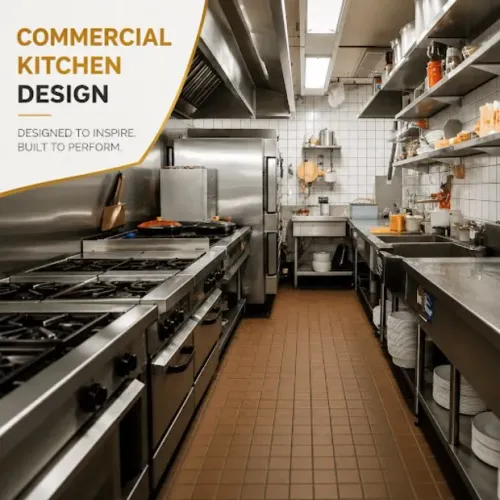
Modern commercial kitchens often include:
- Clearly defined work zones
- Easy-to-clean surfaces
- Energy-efficient equipment
- Ergonomic workstation heights
- Proper lighting
- Organized storage systems
These features support both employee comfort and operational consistency.
Designing for Business Growth
Restaurants rarely remain unchanged. Menus evolve, equipment is upgraded, and customer demand increases.
Flexible kitchen designs allow businesses to:
- Add production capacity
- Introduce new menu categories
- Improve workflows
- Upgrade technology
Planning for future requirements reduces renovation costs later.
Professional Guidance During Planning
Hospitality specialists, including Vinship Restaurant Consultant, support restaurant owners across Delhi NCR by developing kitchen layouts that balance operational efficiency with long-term business goals.
A skilled kitchen designer creates more than an attractive workspace. They help establish an environment where food quality, productivity, and operational consistency can thrive.
Keywords