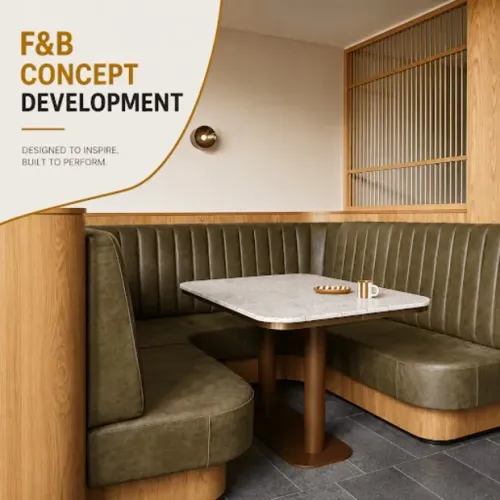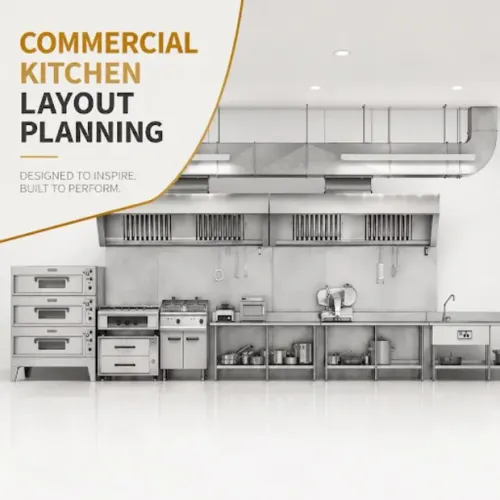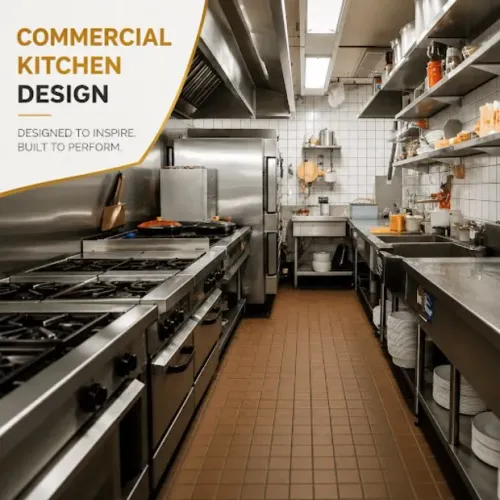

Opening a restaurant requires decisions that extend far beyond food preparation. Business planning, operations, staffing, branding, kitchen design, and customer experience all contribute to long-term success. A knowledgeable hospitality consultant helps entrepreneurs evaluate these areas before challenges become expensive.
Whether launching a café, cloud kitchen, hotel restaurant, or multi-outlet food business, professional guidance can simplify complex decisions during planning and expansion.
For hospitality entrepreneurs across Delhi NCR, early strategic planning often creates a more stable operational foundation.
What Does a Hospitality Consultant Do?
A hospitality consultant provides practical recommendations throughout different stages of a food business.
Their work may include:
- Restaurant concept planning
- Operational strategy
- Kitchen workflow planning
- Menu planning
- Staff process development
- Brand positioning
- Business expansion support
Rather than focusing on one area, consultants consider how different business functions work together.
Why Strategic Planning Matters
Many restaurants encounter difficulties because planning begins after construction has already started.
Early planning allows businesses to evaluate:
- Target customer segments
- Restaurant positioning
- Operational workflows
- Equipment requirements
- Service style
- Budget allocation
These decisions influence daily operations for years.
Understanding Different Hospitality Models
Not every restaurant follows the same operational approach.
Examples include:
- Cloud kitchens focused on delivery
- Family restaurants emphasizing high customer turnover
- Boutique cafés offering curated experiences
- Luxury dining with premium service
- Hotel restaurants supporting multiple guest segments
Each model requires different planning priorities.
Building Efficient Operations
Operational efficiency affects customer satisfaction and profitability.
Consultants often evaluate:
- Staff movement
- Kitchen coordination
- Inventory systems
- Vendor planning
- Service workflows
- Cost management practices
Small improvements across these areas can significantly improve overall performance.
Planning for Future Growth
Restaurant owners frequently begin with one outlet before expanding.
Planning ahead allows businesses to establish systems that can support:
- Additional branches
- Franchise opportunities
- Larger production capacity
- Expanded menus
- Technology integration
Scalable planning reduces operational disruption during future growth.
Staying Responsive to Industry Changes
Consumer expectations continue to evolve.
Restaurants increasingly adopt:
- Digital ordering
- Delivery-focused operations
- Sustainable kitchen practices
- Energy-efficient equipment
- Data-driven menu analysis
Businesses that regularly review their operations are better prepared to adapt to changing market conditions.
The Value of Professional Guidance
Hospitality businesses throughout Delhi NCR often consult firms such as Vinship Restaurant Consultant when exploring restaurant planning, operational improvements, and concept development. Structured guidance helps entrepreneurs make informed decisions before investing significant resources.
A hospitality consultant does not replace the restaurant owner's vision. Instead, they help transform that vision into an organized operational plan that supports efficiency, consistency, and long-term business growth.
Keywords