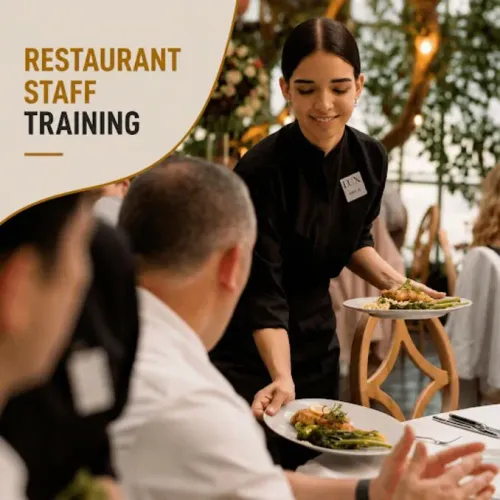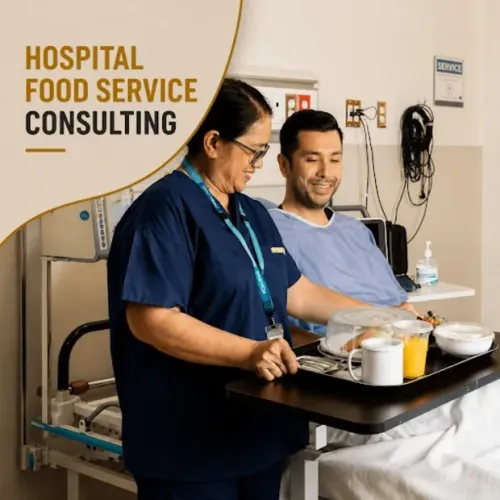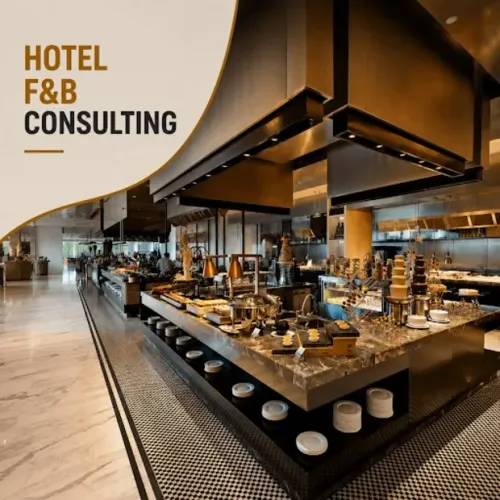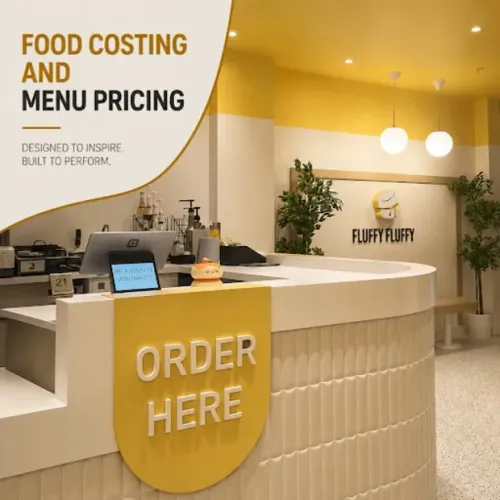
Starting a restaurant, café, hotel kitchen, industrial canteen, hospital kitchen, or bar involves much more than selecting a location and purchasing equipment. Every successful food service business relies on a well-planned facility where operations, customer movement, staff efficiency, and future expansion are considered from the very beginning. This is why engaging a Facility Planner before construction starts can be one of the most valuable decisions for hospitality entrepreneurs.
In Delhi NCR, where commercial real estate comes in various sizes and layouts, making the best use of available space has become increasingly important. A facility planner helps transform an empty commercial space into a practical environment that supports efficient day-to-day operations rather than creating challenges after the business opens.
What Is Facility Planning?
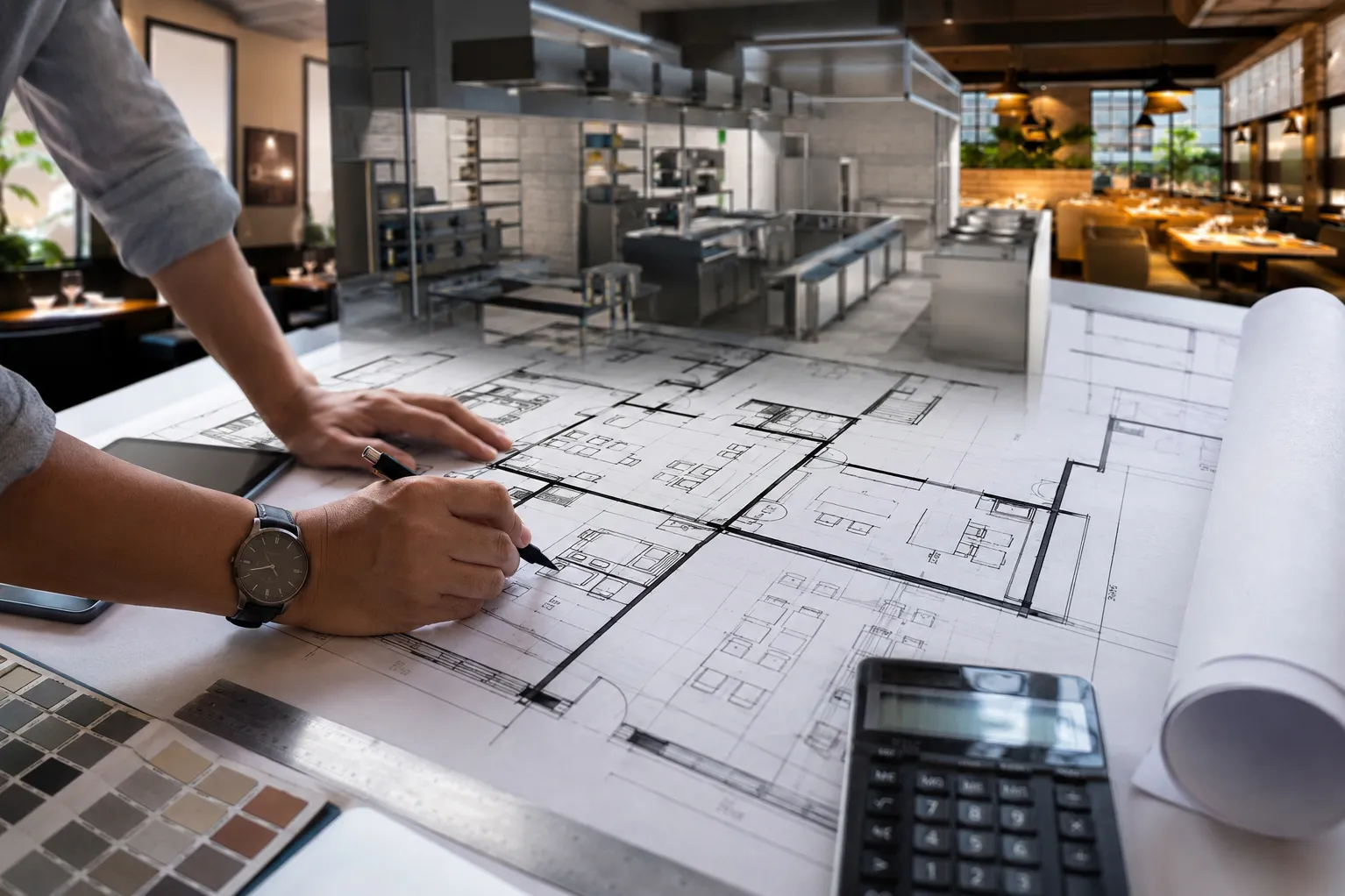
Facility planning is the process of organizing an entire hospitality space so that every department functions together efficiently. Unlike interior design, which focuses primarily on appearance, facility planning emphasizes functionality, workflow, safety, and operational convenience.
A facility planner evaluates how different areas interact, including:
- Customer entry and exit
- Dining spaces
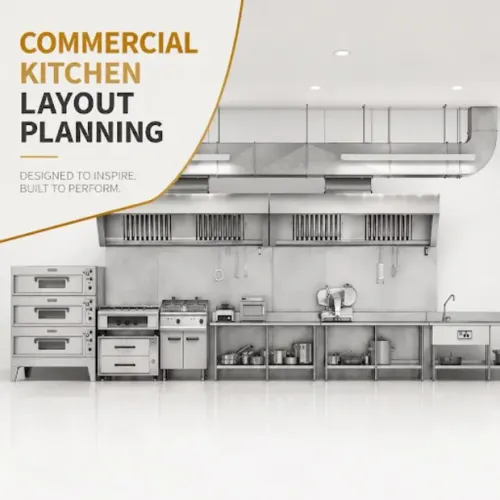
- Commercial kitchen
- Storage rooms
- Receiving areas
- Dishwashing sections
- Staff movement
- Utility areas
- Service counters
- Administrative spaces
The objective is to create a facility that allows employees to work efficiently while providing customers with a comfortable experience.
Why Facility Planning Should Come Before Interior Design
Many business owners begin with décor ideas and furniture selection before understanding how the facility will operate. While attractive interiors contribute to customer experience, operational efficiency depends on how the entire space has been planned.
For example, a beautifully designed dining area may still experience service delays if:
- The kitchen is located too far from the serving area.
- Storage rooms are difficult to access.
- Staff movement overlaps with customer pathways.
- Delivery entrances interfere with guest traffic.
- Utility services are poorly positioned.
Addressing these considerations before construction helps reduce disruptions later.
How Facility Planning Benefits Different Hospitality Businesses
Every hospitality business has unique operational requirements. Facility planning adapts to these differences instead of using a standard layout.
Restaurants
Need balanced dining capacity, efficient kitchen access, organized storage, and smooth service routes.
Cafés
Require optimized coffee preparation stations, display counters, customer seating, and takeaway service flow.
Hotels
Often include multiple kitchens, banquet facilities, room service operations, and storage zones that require careful coordination.
Industrial Canteens
Focus on high-volume food preparation, large storage capacity, and organized employee dining areas.
Hospitals
Need hygienic food production, specialized meal preparation areas, and controlled movement between departments.
Bars
Require practical beverage stations, secure storage, preparation counters, and efficient customer service areas.
Each type of facility benefits from planning that reflects its operational priorities.
Common Problems Caused by Poor Facility Planning
Without structured planning, businesses may encounter challenges that affect daily operations and customer satisfaction.
Some common issues include:
- Crowded workspaces
- Inefficient staff movement
- Limited storage capacity
- Delayed food service
- Difficult equipment maintenance
- Customer congestion
- Underutilized floor space
- Expensive future renovations
Many of these problems can be avoided when facility planning is completed before construction begins.
Key Elements of an Effective Facility Plan
A successful hospitality facility balances operational efficiency with customer comfort.
Important planning considerations include:
Workflow
Staff should move logically between preparation, cooking, serving, and cleaning areas without unnecessary interruptions.
Space Utilization
Every available square foot should contribute to business operations while maintaining comfort and accessibility.
Flexibility
Businesses often expand menus or increase seating over time. Flexible layouts accommodate future growth more easily.
Safety
Proper planning supports organized movement, equipment placement, and safer working conditions.
Operational Efficiency
Departments should function together in a way that minimizes delays and supports consistent service quality.
Questions Business Owners Should Consider
Before beginning construction, it is helpful to ask:
- Will staff be able to move efficiently during peak hours?
- Is there enough space for future equipment?
- Are customer and delivery routes separated?
- Can storage support daily inventory requirements?
- Does the layout improve operational productivity?
- Will maintenance and cleaning be convenient?
These questions encourage decisions that benefit long-term operations.
Why Local Planning Expertise Matters
Commercial properties across Delhi NCR differ significantly in size, layout, and intended use. A standalone restaurant faces different planning requirements than a food court outlet, institutional kitchen, or hotel facility.
Understanding local commercial environments allows facility planners to develop practical layouts that align with operational goals while making efficient use of available space.
Supporting Hospitality Projects with Better Planning
A successful hospitality business begins with thoughtful planning rather than reactive problem-solving. Investing time in facility planning before construction allows business owners to organize operations more effectively and reduce avoidable challenges after opening.
Vinship Restaurant Consultant works with restaurants, cafés, hotels, industrial canteens, hospitals, bars, and other hospitality businesses across Delhi NCR by providing structured facility planning services tailored to each project's operational requirements. By focusing on workflow, space utilization, and long-term functionality, the company helps create hospitality facilities that support efficient operations and sustainable business growth from day one.
Keywords