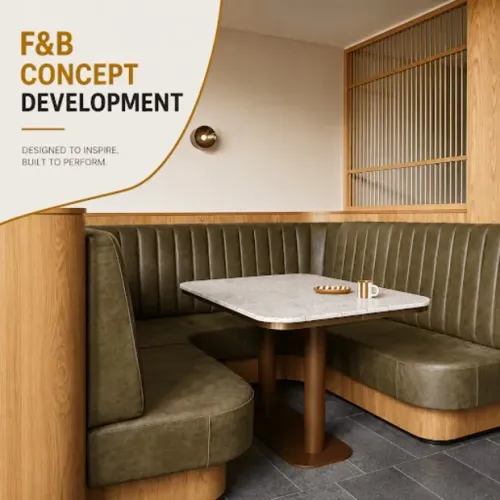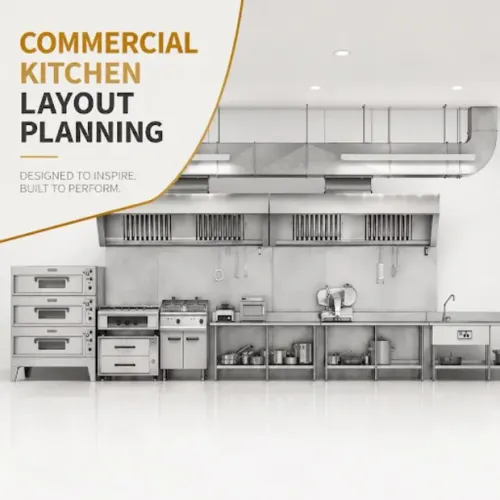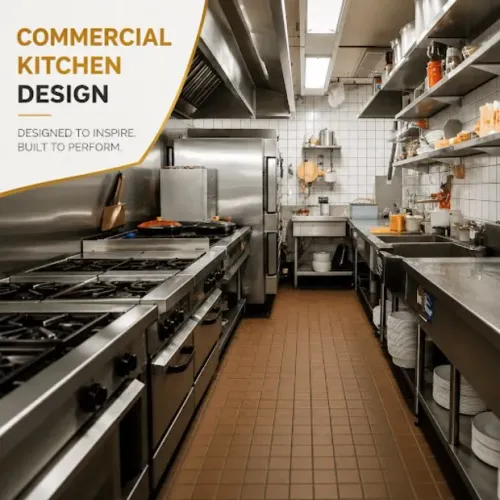
Opening a restaurant, café, cloud kitchen, bar, or industrial dining facility is an exciting milestone, but it also involves countless decisions that influence long-term success. From choosing the right location to designing an efficient kitchen and planning customer flow, every stage requires careful consideration. Many food businesses focus primarily on interiors or equipment purchases while overlooking the importance of proper planning. This is where working with an experienced Restaurant Consultant can make a meaningful difference.
In a competitive market like Delhi NCR, where customer expectations continue to evolve, thoughtful planning helps businesses reduce operational challenges and create a better dining experience from the very beginning.
What Does a Restaurant Consultant Actually Do?
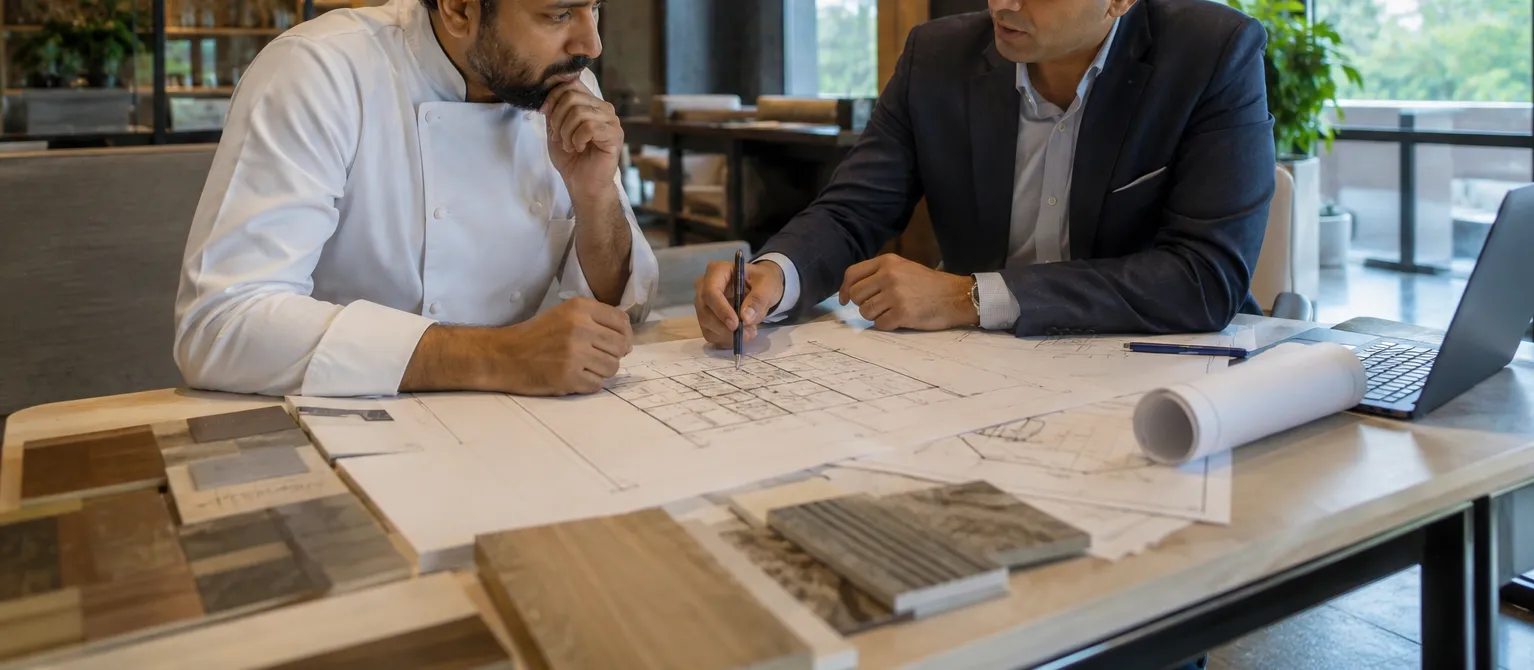
A restaurant consultant provides professional guidance throughout the planning and development of a food service business. Rather than focusing on a single aspect, the consultant looks at the entire operation to ensure every component works together efficiently.
Depending on the project, the consultant may assist with:
- Restaurant concept planning
- Business model evaluation
- Space utilization
- Kitchen workflow design
- Equipment recommendations
- Vendor coordination
- Staff workflow planning
- Menu planning support
- Operational efficiency
- Project execution guidance
Instead of making decisions based on assumptions, restaurant owners receive structured recommendations that align with their business goals.
Why Planning Matters More Than Ever
Launching a food business involves significant investment. Small planning mistakes during construction or setup often become expensive to correct later.
Some common issues include:
- Inefficient kitchen layouts
- Poor storage planning
- Congested service areas
- Inadequate ventilation
- Incorrect equipment selection
- Wasted floor space
- Difficult staff movement
- Delays during operations
Addressing these factors during the planning stage is generally more practical than making structural changes after the business begins operating.
Understanding Different Food Business Requirements
Every hospitality business operates differently. A quick-service restaurant has different operational needs compared to a fine dining restaurant, hospital kitchen, industrial canteen, or café.
For example:
Restaurants
Need balanced dining layouts, production flow, customer comfort, and efficient kitchen operations.
Cafés
Require optimized beverage preparation stations, bakery display planning, seating comfort, and smooth customer movement.
Industrial Canteens
Focus on high-volume food production, hygiene standards, storage capacity, and staff efficiency.
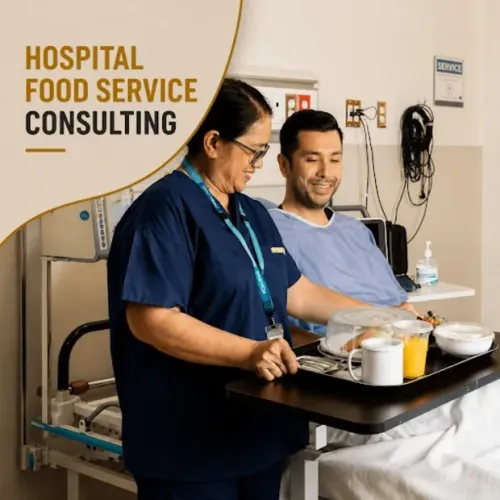
Hospitals
Need specialized food preparation zones that support hygiene, dietary requirements, and controlled workflows.
Bars
Require carefully planned beverage stations, storage, service counters, and operational convenience.
Understanding these operational differences helps ensure that the facility supports day-to-day business activities effectively.
Why Local Experience Matters in Delhi NCR
Delhi NCR is home to one of India's fastest-growing hospitality markets. Restaurant owners often deal with varying property sizes, commercial complexes, high street locations, food courts, and standalone establishments.
Each project comes with unique considerations such as:
- Available floor area
- Customer demographics
- Commercial infrastructure
- Utility planning
- Future expansion possibilities
- Local operational requirements
Planning that reflects local market conditions can help businesses make better long-term decisions while adapting to regional customer expectations.
The Value of Efficient Space Planning
Every square foot inside a restaurant contributes to overall efficiency.
Proper space allocation can improve:
- Staff productivity
- Kitchen movement
- Food preparation efficiency
- Storage organization
- Customer comfort
- Service speed
For example, placing preparation areas too far from cooking stations may increase staff movement unnecessarily. Likewise, poorly planned storage can interrupt daily operations.
Efficient layouts help create smoother workflows without increasing operational complexity.
Common Misconceptions About Restaurant Consulting
Some business owners believe consultants are only useful for large hotel chains or premium restaurants.
In reality, consulting services can benefit businesses of different sizes, including:
- New cafés
- Cloud kitchens
- Fast-food outlets
- Boutique restaurants
- Franchise outlets
- Food courts
- Industrial kitchens
- Institutional dining facilities
Early professional guidance often helps avoid avoidable planning errors regardless of project scale.
Questions Every New Restaurant Owner Should Ask
Before beginning construction or purchasing equipment, consider these questions:
- Does the kitchen layout support smooth food production?
- Is enough storage available?
- Can staff move efficiently during peak hours?
- Is customer movement comfortable?
- Will future expansion be possible?
- Are utilities planned correctly?
- Does the menu align with kitchen capacity?
Answering these questions early contributes to more informed business decisions.
Planning for Long-Term Operations
Restaurant success depends on much more than attractive interiors. Operational efficiency, workflow, customer experience, and resource utilization all play important roles in day-to-day performance.
Vinship Restaurant Consultant works with restaurant owners, café operators, hotel businesses, industrial kitchens, hospitals, and hospitality entrepreneurs by helping them approach projects with structured planning. Rather than focusing only on design, the company considers how every operational element supports the business over time.
Whether someone is launching a new venture or expanding an existing food business in Delhi NCR, consulting during the planning stage can provide valuable clarity, reduce avoidable challenges, and help create a facility designed for practical, efficient operations from day one.
Keywords